Creating a home office that is both cozy and productive can make a big difference in how you feel and perform during your workday. Whether you work remotely full-time or occasionally need a quiet spot for tasks, a thoughtfully arranged space can enhance your focus and well-being. Here are practical tips to help you design a home office that combines comfort with efficiency.
Choose the Right Location
Prioritize Natural Light
If possible, set up your home office near a window. Natural light helps reduce eye strain and improves mood, making it easier to stay alert and positive. Position your desk to enjoy sunlight without glare directly on your screen.
Seek Quiet and Privacy
Pick a spot in your home where interruptions are minimal. If noise is a challenge, consider using noise-canceling headphones or adding sound-absorbing materials like rugs and curtains.
Invest in Comfortable and Functional Furniture
Select an Ergonomic Chair
A supportive chair is key to long hours at your desk. Look for adjustable features that support your posture, including lumbar support, armrests, and seat height.
Choose the Right Desk
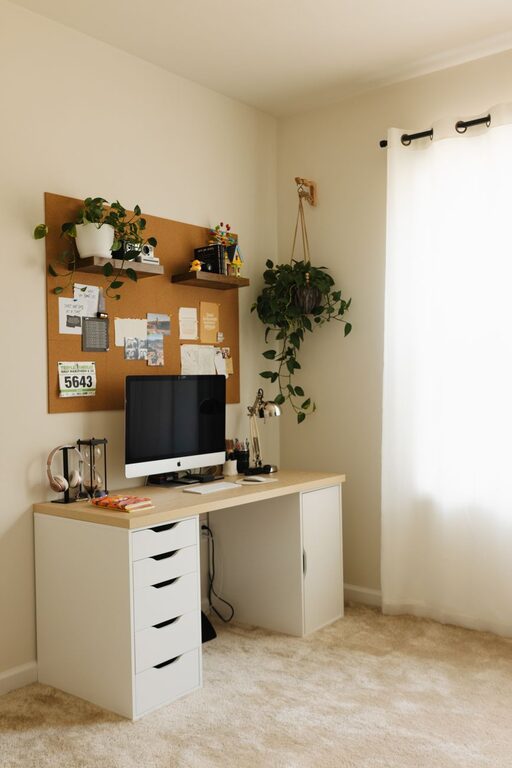
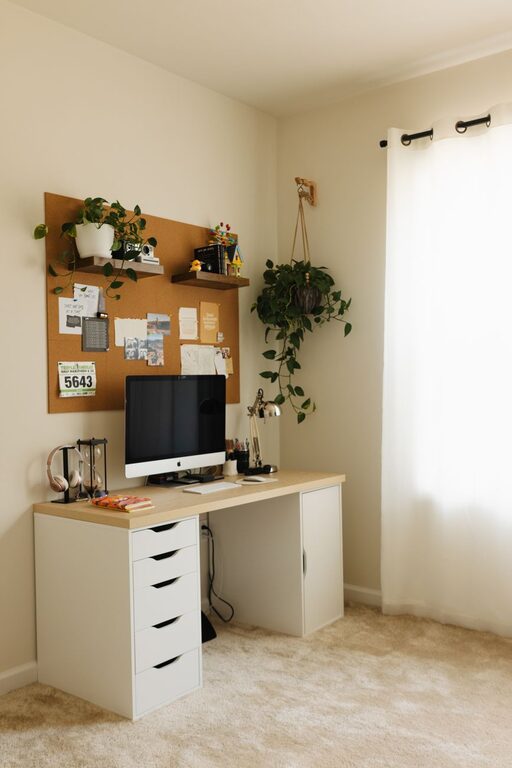
The desk should fit your space and work style. A larger desk offers plenty of room for monitors, documents, and accessories, while a compact desk suits smaller areas or minimalists.
Add a Footrest or Standing Option
Footrests can improve comfort, and a standing desk or converter lets you alternate between sitting and standing, promoting better circulation.
Organize for Efficiency and Calm
Declutter Regularly
An organized space prevents stress and distractions. Keep only essentials on your desk, and store other items in drawers or shelves.
Use Storage Solutions
Shelving, filing cabinets, or storage bins help keep paperwork and supplies orderly. Label containers for quick access.
Plan Cable Management
Tidy cables reduce visual clutter and hazards. Use clips, sleeves, or under-desk trays to keep cords organized.
Personalize Your Space Thoughtfully
Incorporate Soothing Colors
Choose paint or decor colors that calm and focus you, such as soft blues, greens, or neutrals. Avoid overly bright or distracting hues.
Add Personal Touches
Photos, plants, or artwork can make your office inviting. Plants not only brighten the room but also improve air quality.
Use Comfortable Textiles
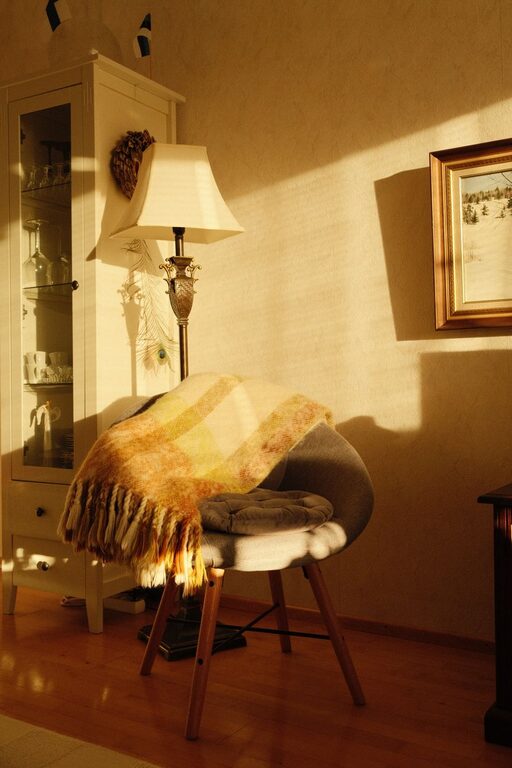
Consider a cozy rug, cushions, or a soft throw to add warmth and texture.
Optimize Lighting
Combine Ambient and Task Lighting
Ambient lighting keeps the room evenly lit, while task lighting focuses on your work area. Desk lamps with adjustable brightness help reduce eye strain.
Avoid Screen Glare
Position lights and your monitor to prevent reflections. Adjustable blinds or curtains can help control sunlight.
Establish a Routine and Boundaries
Set Work Hours
Define clear start and end times to keep work-life balance. Notify family or housemates of your schedule to minimize interruptions.
Create a Startup Ritual
Begin your day with a consistent routine to mentally enter work mode – whether it’s making a cup of tea or reviewing your agenda.
Take Breaks and Move Around
Use reminders or apps to take regular breaks and stretch. Movement helps maintain energy and focus.
Use Technology Wisely
Choose Reliable Equipment
Invest in a good-quality computer, internet connection, and accessories like headphones or webcams to support your tasks.
Keep Software Organized
Use calendars, to-do lists, and project management tools to stay on track.
Minimize Digital Distractions
Close unnecessary tabs and apps, and consider apps that block distracting websites during work hours.
—
Creating a home office that feels welcoming and supports your productivity is an achievable goal. By focusing on comfort, organization, lighting, and technology, you can build a workspace that helps you do your best work every day. Personalizing the space also ensures it feels uniquely yours, making it a place you look forward to spending time in. Start small and gradually adjust your space until it perfectly fits your needs and style.