
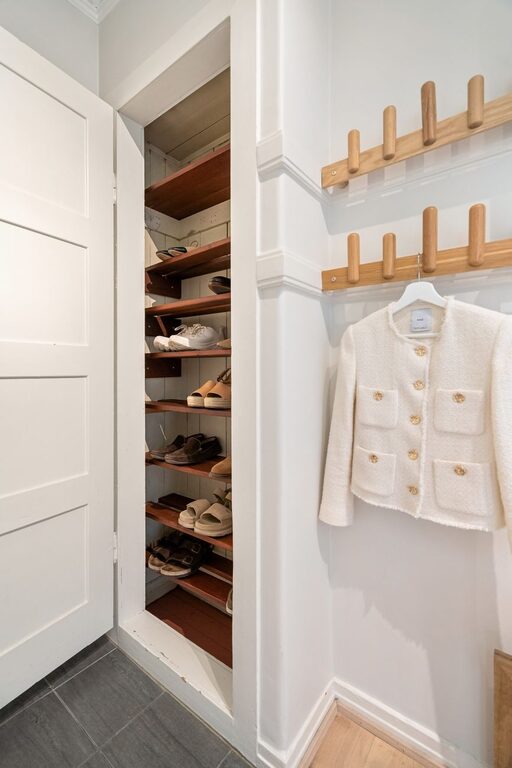
Living in a small space comes with unique challenges, especially when it comes to keeping things neat, organized, and functional. Without enough room to spread out, clutter can quickly take over, making your home feel cramped and overwhelming. The good news is that with a few thoughtful strategies, you can make the most of your limited square footage and create a comfortable, organized environment.
In this post, we’ll explore practical tips for organizing a small space efficiently, focusing on maximizing storage, reducing clutter, and maintaining a tidy home.
Understand the Space You Have
Before you start rearranging or purchasing storage solutions, take time to assess your space.
– Measure your rooms and furniture: Knowing exact dimensions helps you plan effectively.
– Note unused areas: Corners, under furniture, or high shelves can be used for extra storage.
– Identify problem spots: Areas where clutter naturally accumulates need focused attention.
Having a clear picture of your space allows you to choose the right organization methods.
Declutter Ruthlessly
Small spaces require careful selection of what you keep.
– Sort items into categories: Keep, donate, recycle, or toss.
– Be honest about what you need: If you haven’t used something in the past year, consider letting it go.
– Avoid impulse buying: Bringing more items into a small space can undermine your efforts.
Regularly decluttering prevents buildup and makes your space easier to manage.
Use Vertical Space Wisely
When floor space is limited, go vertical.
– Wall-mounted shelves: Great for books, decorative items, or storage boxes.
– Hooks and pegboards: Hang bags, coats, kitchen utensils, or tools.
– Tall furniture: Opt for tall bookcases or cabinets to maximize storage without using much floor area.
By using your walls creatively, you free up valuable floor space.
Invest in Multi-Functional Furniture
Choosing furniture that serves more than one purpose is a smart move in small spaces.
– Storage ottomans: Act as seating and keep blankets or magazines inside.
– Beds with drawers underneath: Provide a hidden place for clothes or linens.
– Fold-out desks or tables: Can be tucked away when not in use.
Multi-functional pieces reduce the number of items you need and keep your space organized.
Organize Storage Containers Efficiently
Keeping belongings in containers can help maintain order, but only if done thoughtfully.
– Use clear bins: So you can see what’s inside without opening them.
– Label containers: Labels make it easy to find what you need quickly.
– Uniform sizes: Choose stackable boxes to maximize vertical storage.
Avoid overcrowding containers and regularly reassess their contents.
Create Zones for Different Activities
Even in a small room, dedicating specific areas for certain tasks helps prevent clutter from spreading.
– Work zone: Keep office supplies and devices in one corner.
– Relaxation zone: Arrange seating and entertainment gadgets together.
– Kitchen zone: Use organizers for utensils and ingredients.
Clear zones establish order and make it easier to find items related to each activity.
Maximize Closet Space
Closets can be tricky in small homes, but organizing them can free up much-needed room.
– Use slim hangers: Save space and allow for more clothes.
– Add hanging organizers or extra rods: Increase capacity.
– Use shelf dividers or baskets: Keep smaller items tidy.
Closet organization can transform it from a clutter catch-all into a useful storage space.
Maintain Regular Cleaning and Tidying Habits
Efficient organization is not a one-time task. To keep your small space orderly:
– Set a daily tidying routine: Spend 5-10 minutes putting things back in place.
– Clean as you go: Avoid letting messes build up.
– Review belongings seasonally: Continue decluttering and reorganizing as needed.
Regular upkeep preserves the hard work you put into organizing.
Conclusion
Organizing a small space efficiently is all about smart planning and intentional choices. By understanding your space, decluttering regularly, using vertical storage, investing in multi-functional furniture, and maintaining good habits, you can enjoy a home that feels spacious and welcoming despite its size. With these practical tips, managing small living spaces becomes much easier and more enjoyable.