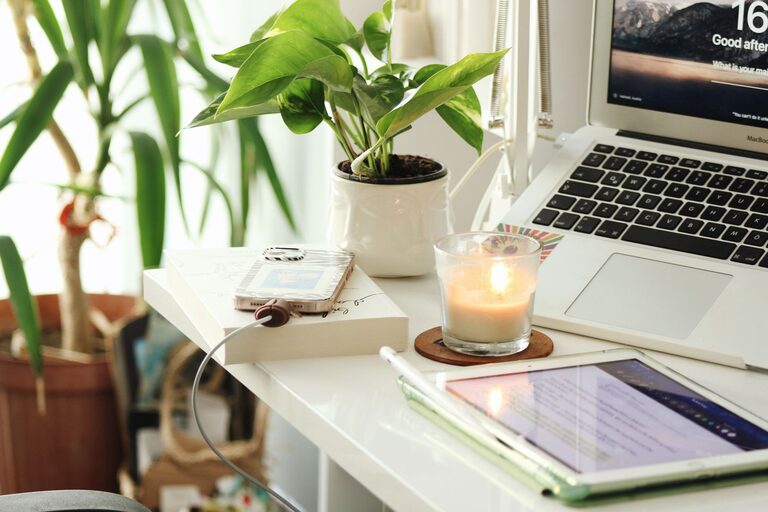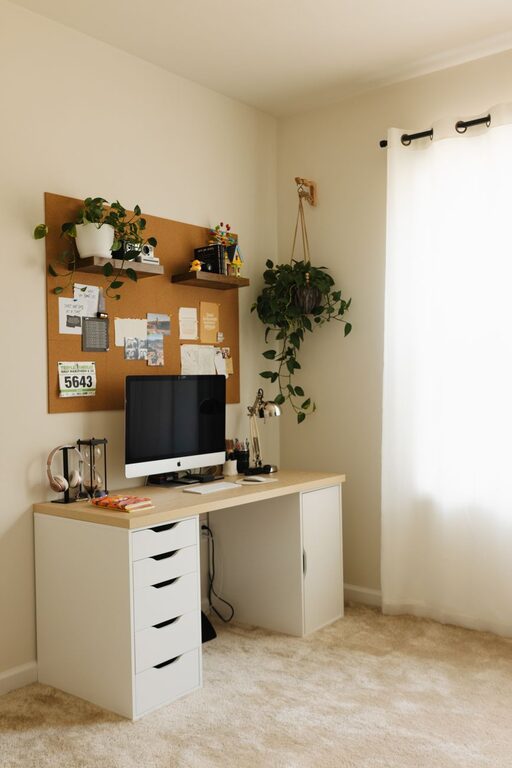
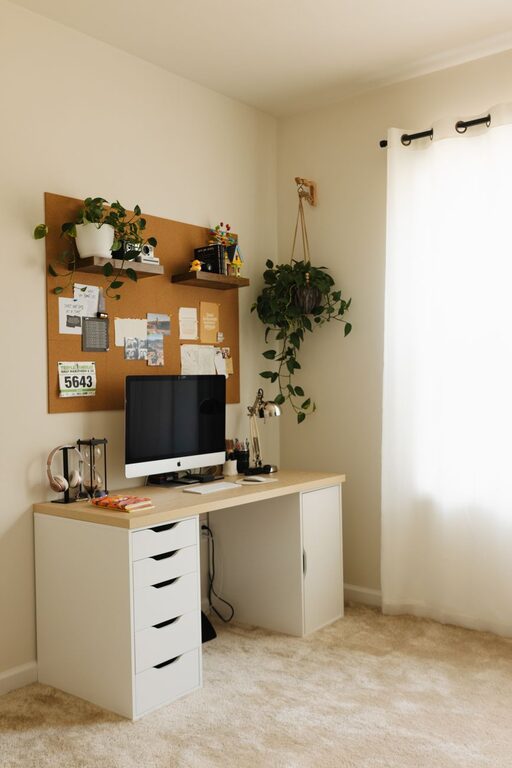
Creating a home office that feels both cozy and productive can transform the way you work and improve your overall well-being. Whether you’re working remotely full-time or just need a dedicated space for occasional tasks, a well-designed home office helps you stay focused and comfortable. Here are some practical tips to help you create an inviting workspace that supports your productivity.
1. Choose the Right Location
Start by selecting a quiet spot in your home with minimal distractions. Ideally, this space should have enough natural light and good ventilation. If possible, avoid placing your desk directly against a wall or near high-traffic areas to reduce noise and interruptions.
Consider these options:
– A spare bedroom or guest room
– A nook near a window
– A corner of your living room or bedroom partitioned with a room divider
2. Invest in Comfortable and Functional Furniture
The right furniture makes a huge difference. A supportive chair and an appropriate desk height help maintain good posture and reduce physical strain.
Tips for choosing furniture:
– Opt for an ergonomic office chair with adjustable height and lumbar support.
– Use a desk large enough to hold your computer, notebooks, and other daily essentials.
– Consider a standing desk or adjustable desk converter to alternate between sitting and standing.
3. Optimize Lighting
Good lighting boosts mood and reduces eye strain, which enhances productivity.
– Maximize natural light by placing your desk near a window.
– Use soft, warm-colored LED bulbs for ambient lighting.
– Add a desk lamp with adjustable brightness for focused tasks.
4. Personalize Your Workspace
Adding personal touches makes the office feel cozy and inviting.
– Decorate with artwork, photos, or motivational quotes.
– Use plants to bring warmth and fresh air to your space. Plants like succulents, pothos, or peace lilies require minimal care.
– Choose a calming color scheme with soft neutrals or pastels to create a peaceful environment.
5. Keep Your Office Organized
Clutter can distract and overwhelm you, so maintaining organization is key.
– Use storage solutions like shelves, filing cabinets, or desk organizers.
– Have a designated place for supplies such as pens, paper, and chargers.
– Regularly declutter your space to keep it tidy and functional.
6. Manage Noise Levels
If external noise is an issue, reducing it will help you stay focused.
– Use noise-cancelling headphones or play background music or white noise.
– Add soft furnishings like rugs, curtains, or cushions to absorb sound.
– Consider installing a door sweep or weatherstripping to minimize hallway sounds.
7. Create Boundaries Between Work and Home Life
It can be challenging to separate work time and personal time when your home office is inside your living space.
– Set clear work hours and communicate them with family members.
– Avoid using your workspace for non-work activities.
– End your workday by shutting down your computer and tidying your desk to signal that work is done.
8. Incorporate Technology Wisely
Having reliable technology improves efficiency and reduces frustration.
– Ensure you have a strong internet connection.
– Use wireless peripherals to reduce cable clutter.
– Invest in a quality webcam and microphone if you attend video meetings.
9. Add Elements That Promote Well-being
Incorporate features that support your mental and physical health.
– Take regular breaks with reminders to stretch or walk around.
– Use fragrance diffusers with calming scents like lavender or eucalyptus.
– Keep a water bottle nearby to stay hydrated.
Conclusion
Designing a home office that is both cozy and productive is achievable with thoughtful planning and simple adjustments. By focusing on comfort, organization, lighting, and personal touches, you create an environment where you enjoy working and can perform at your best. Take time to assess your needs and regularly update your workspace as those needs evolve. A well-crafted home office will not only boost your productivity but also make working from home a pleasant experience.