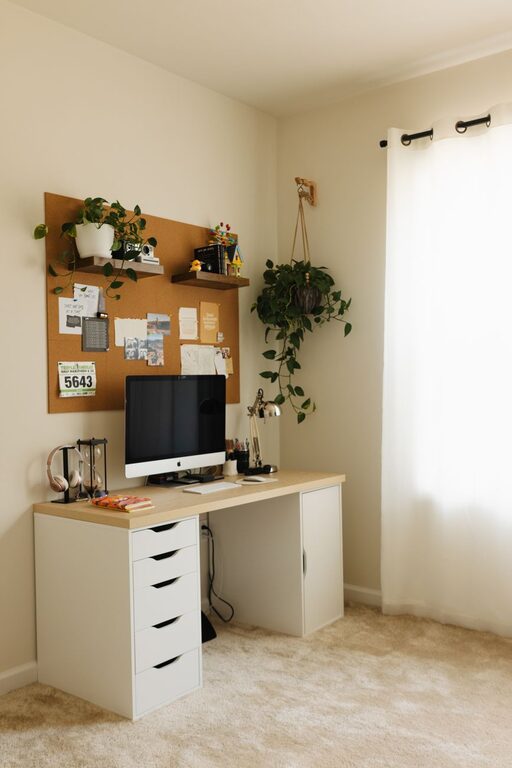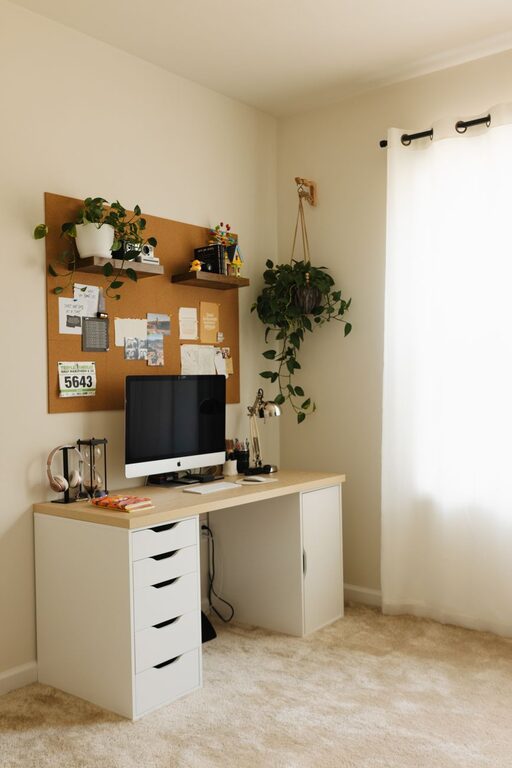
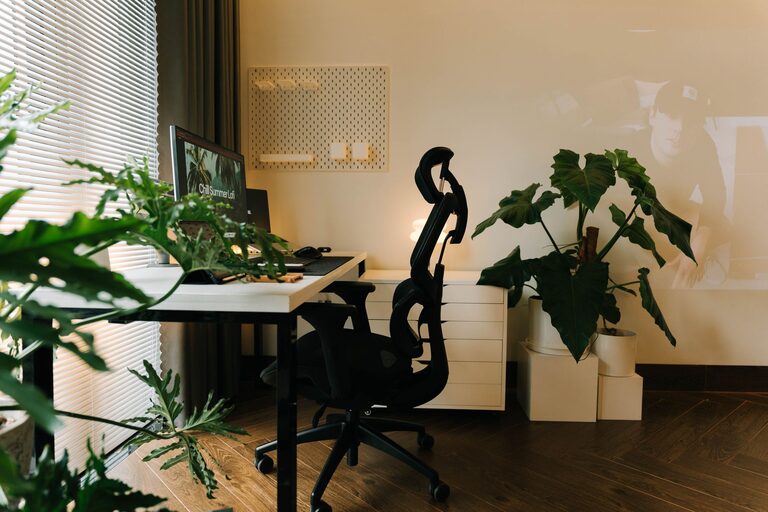
Creating a relaxing home office environment is key to staying productive and maintaining well-being while working from home. A space that feels calm and inviting can help reduce stress and keep focus throughout the day. In this post, we’ll explore practical tips for designing a home office that supports both comfort and efficiency.
Why a Relaxing Home Office Matters
Working from home has become increasingly common, making the home office an essential space. When your workspace is cluttered or uncomfortable, it’s easy to feel distracted or overwhelmed. On the other hand, a thoughtfully arranged office can improve concentration, foster creativity, and make work feel less like a chore.
Choose the Right Location
Consider Natural Light
Pick a spot with plenty of natural light if possible. Sunlight is proven to enhance mood and energy levels. Position your desk near a window, but avoid glare on your computer screen by using blinds or curtains when needed.
Minimize Noise Distractions
Select a quiet area away from household noise and heavy foot traffic. If noise is unavoidable, consider noise-cancelling headphones or a white noise machine to create a peaceful atmosphere.
Optimize Your Desk and Chair Setup
Ergonomic Furniture Matters
Invest in a comfortable chair with good lumbar support to avoid back pain. Your desk height should allow your forearms to rest parallel to the floor when typing, reducing strain on your wrists and shoulders.
Keep Essentials Within Reach
Arrange your most-used items—like pens, notebooks, and your computer mouse—within easy reach. This limits unnecessary movement and helps maintain workflow.
Declutter and Organize
Tidy Workspace, Tidy Mind
A clutter-free desk reduces distractions and mental fatigue. Use desk organizers, drawers, or shelves to keep papers and supplies in order. Regularly clear out items you no longer need to maintain a clean, inviting space.
Digital Organization
Similarly, keep your computer desktop organized with clearly labeled folders and minimal icons. This promotes efficiency and reduces the stress of searching for files.
Incorporate Calming Colors and Decor
Choose Soothing Colors
Opt for soft, neutral colors like light blues, greens, or beiges to create a calming environment. Colors can influence mood significantly, so pick tones that help you feel relaxed yet alert.
Add Personal Touches
Include a few personal items such as framed photos, plants, or artwork that inspire positivity. Avoid overcrowding your space so it still feels open and airy.
Bring Nature Inside
Indoor Plants
Plants not only improve air quality but also add a sense of tranquility to your workspace. Easy-care plants like succulents, snake plants, or pothos require minimal attention and look great on desks or shelves.
Natural Elements
Consider incorporating natural materials like wood or stone in your furniture or décor. These elements create a warm, organic feel that helps reduce stress.
Manage Lighting Wisely
Layer Your Lighting
Use a combination of overhead, task, and ambient lighting to reduce eye strain and set a comfortable mood. Adjustable desk lamps allow you to focus light where needed.
Avoid Harsh Lighting
Stay away from overly bright or flickering lights, which can cause headaches and discomfort. Soft, warm-toned bulbs are preferable for a relaxing effect.
Take Breaks and Move
Schedule Regular Breaks
Working for long periods without rest can lead to burnout. Use a timer or app to remind yourself to stand up, stretch, or walk around every hour.
Create a Space for Movement
If possible, dedicate a corner of your home office for quick stretches or yoga. Movement during the workday supports both body and mind wellness.
Limit Digital Distractions
Set Boundaries
Establish clear work hours and communicate them with household members to minimize interruptions. Turn off non-essential notifications on your devices to maintain focus.
Use Productivity Tools
Apps that block distracting websites or track your time can help you stay on task and keep your home office as a place for work—not distraction.
Maintain a Comfortable Temperature and Air Quality
Control Temperature
Keep your office at a comfortable temperature, ideally between 68-72°F (20-22°C). Use fans, heaters, or humidifiers as necessary to maintain a pleasant environment.
Fresh Air
Open windows when possible to circulate fresh air. Good ventilation helps keep you alert and healthy during long work hours.
Final Thoughts
Designing a relaxing home office takes a bit of planning but yields many benefits. By choosing the right location, organizing your space, and adding calming elements, you can create a workspace that supports productivity and well-being. Remember that small changes make a big difference; start with one or two tips and build from there.
Creating a home office that feels peaceful and comfortable will make your workdays more enjoyable and sustainable in the long run. Happy decorating!